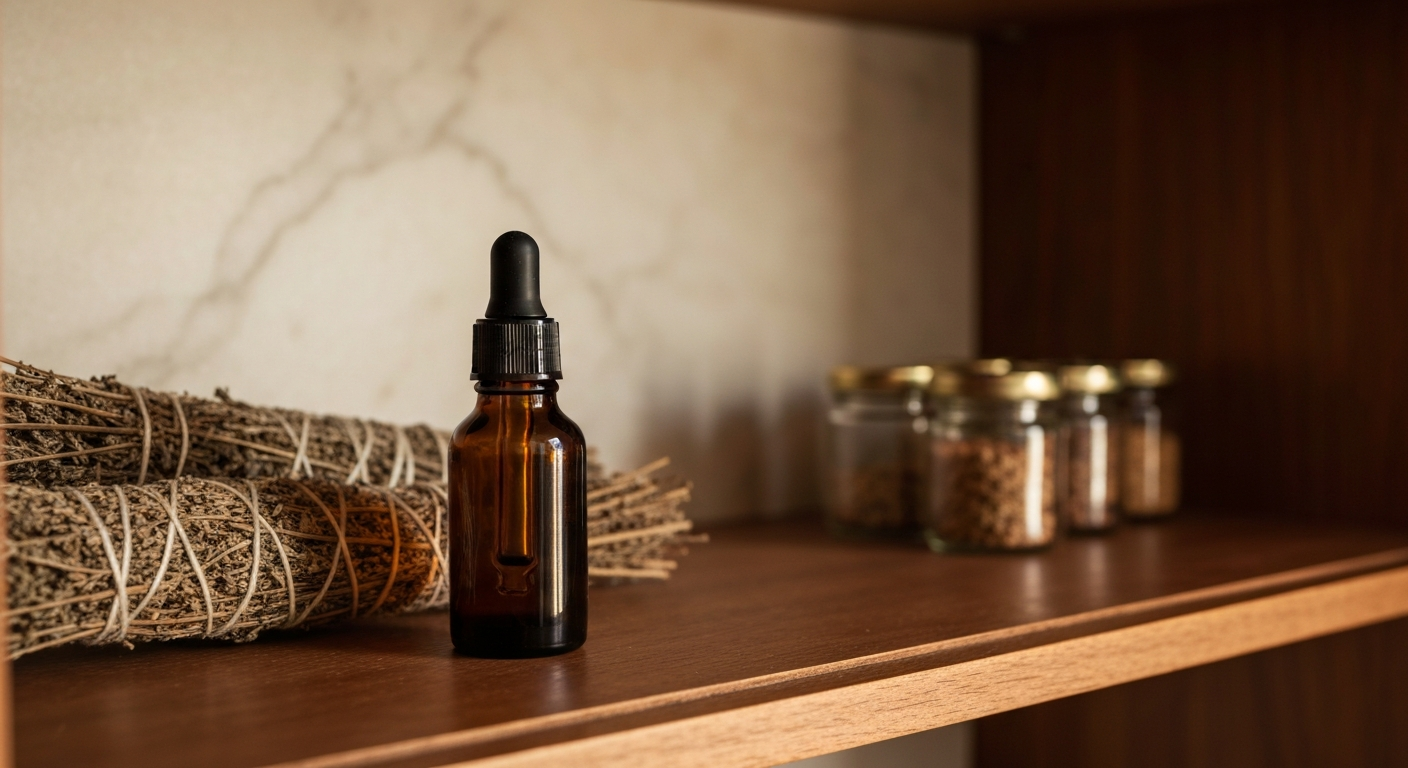
Pheromone oils are not magic potions. They are not immortal either. The actives are real, but they live in a fragile carrier and behave like every other oil-based fragrance on your shelf. A carrier with some delicate molecules dissolved in it, slowly losing freshness from the moment you crack the seal. Here is how long you actually have. What goes wrong first, and how to stretch the bottle without wasting money.
The short answer
Sealed and stored properly, most pheromone oils are good for 2 to 3 years from the manufacture date. Once you break the seal, you get about 12 to 18 months of peak performance. After that the scent and the pheromone load both start drifting. That puts them in the same bracket as most cosmetic and fragrance products. No surprise, because that is essentially what they are.
Say you bought a 10ml roll-on and you are still on it 18 months later. You are not using it often enough for the category to make sense. Either apply more, or buy smaller bottles.
What actually degrades over time
Three things are happening at once inside the bottle. They happen at different speeds.
Carrier oil oxidation
This is the loudest of the three. Most pheromone oils use a light carrier. Fractionated coconut, sweet almond, or jojoba. Coconut and jojoba are unusually stable. Almond and grapeseed are not. When the carrier oxidizes it turns rancid. Rancid oil smells exactly like you would expect: oily, sour, faintly cardboard. This is the failure mode you will actually notice on your skin.
Pheromone molecule degradation
Slower, but real. The steroidal compounds, things like androstenone and androsterone, are reasonably stable in oil. The more volatile players are not. Androstadienone and the copulin-style short-chain acids are sensitive to light, heat, and air. These are the molecules doing the chemosignaling work, so this is the loss that matters most. They do not vanish overnight. But a two-year-old open bottle is not delivering the molecular load of a fresh one.
Preservative breakdown
This matters in formulas with antioxidants like tocopherol (vitamin E) or rosemary extract. They work, but they get consumed. Once they are spent, oxidation accelerates fast.
Visual and olfactory signs of degradation
Your nose will catch this before your eyes do. The cues, in roughly the order they show up:
- The smell on first roll-on is flatter and more oily-sour than you remember. The top notes have thinned. A faint cardboard or crayon edge under the fragrance is the rancidity giveaway.
- The oil looks slightly cloudy, or has darkened by a noticeable shade. Fresh fractionated coconut is water-clear. A yellow tinge is age.
- Effect drops. Whatever you noticed in the first month, the compliments or the room-presence, has quietly faded. Easy to blame on tolerance. Often it is actually the product losing its molecular load.
Hit two of those three and retire the bottle. It is not dangerous. It is just no longer doing the job.
Storage practices that extend life
Get it out of the bathroom
This is the single biggest move. Shower steam, daily temperature swings, and humidity all attack fragrance products. A bedroom drawer or a closet shelf is dramatically better. Aim for cool, dark, dry, and stable. A consistent 65-70F is ideal.
Keep it in the original bottle
Amber or cobalt glass blocks UV light. UV is a main accelerant for both oxidation and pheromone breakdown. Decanting into a clear bottle for travel is fine if you use the decant within a few weeks. Do not split a bottle in half and leave one part sitting open-topped in another container for a year.
Cap tight, every time
Air is the enemy. Roll-on bottles are excellent here because the ball seals the headspace. Dropper bottles are the worst, because the pipette pulls air in every use. If you are stuck with a dropper format, check whether the brand offers a roll-on version.
Hands off the applicator
Skin contact transfers oil, sweat, and microbes back into the bottle. That biological load speeds breakdown. Roll, do not rub. And never finger the rollerball.
What about the fridge?
For most pheromone oils, no. The fridge sounds clever, and a few brands even recommend it. But daily-use products bounce in and out of the cold. Every cycle creates condensation inside the bottle. Water in oil is exactly what you do not want. It accelerates hydrolysis of the fragrance compounds and speeds oxidation of the carrier.
Fridge storage only makes sense for backup bottles you are not currently using. Even then, let them come fully to room temperature before opening. A cool, dark cabinet at stable room temperature beats refrigeration for any bottle in active rotation.
Per-product notes
Storage advice generalizes. But a few of the bigger sellers have format quirks worth flagging.
RawChemistry
RawChemistry ships in an amber glass roll-on. That is about the best-case format. Expect 12 to 18 months from opening in normal conditions. The carrier is light enough that you will smell oxidation before you see it.
Athena Pheromone 10X
Athena Pheromone 10X ships in a small vial. The brand recommends refrigeration with a one-year window. The room-temperature, cool-dark-cabinet guidance still applies, and it is what most daily users settle on. The Athena formula is alcohol-extended, which actually helps stability versus a pure oil base.
Liquid Trust
Liquid Trust is alcohol-based rather than oil-based. That buys it a longer shelf life: roughly 18 to 24 months sealed, 12 to 18 once opened. Alcohol carriers oxidize far more slowly than fixed oils. The active load still degrades on the same biological clock.
Should you stockpile?
No. Buy a bottle, use it inside a year, then buy fresh. The category does not reward stockpiling, for two reasons. The actives slowly degrade whether the bottle is sealed or not. And most of these formulas are tweaked yearly anyway. The bottle you hoarded in 2025 may not match the 2026 reformulation you actually wanted.
Found a product you genuinely like? Two sealed backups in a cool drawer is the upper bound of sensible. Go beyond that and you are paying for product that will be partly degraded before you ever wear it. See our best pheromone oils roundup and how to apply pheromone oil for the application side. The oil vs spray comparison covers why format affects shelf life too.
We may earn a commission if you buy through our links.
FAQ
Can I still use a bottle past its expiration?
Safety-wise, usually yes. Oxidized oil is not toxic, just unpleasant. Effectiveness-wise, no. The actives have decayed, and the rancid smell works against the scent and the chemosignal you actually wear it for. If it smells off, do not wear it on a date.
Does freezing extend shelf life?
Marginally. But the freeze-thaw cycle damages emulsified formulas. And the condensation problem from refrigeration gets worse. Not recommended for anything in active use.
Why does mine smell different after only three months?
Three months is too fast for genuine degradation in good storage. Two likely causes. The bottle has been living in a hot bathroom. Or you are smelling the natural macerate phase, where fragrance oils settle and the top notes mellow. The second is normal, and often improves the scent.
Are alcohol-based pheromone sprays longer-lived than oils?
Yes, generally by 6 to 12 months. Alcohol carriers resist oxidation far better than fixed oils. The active pheromone molecules still degrade. But the carrier failure mode that ruins oil bottles does not apply.
Does the manufacture date matter more than the purchase date?
Yes. A bottle that sat in a warehouse for eight months before you bought it has already burned through part of its sealed shelf life. If a brand prints a batch or manufacture date, check it. If they do not, buy from sellers with high turnover rather than dusty Amazon third-party listings.
No comments yet