Review
TruePheromones Review (2026): Edge or Marketing Hype?
TruePheromones APC (Attract Plus Connect) by TruePheromones
Check current price →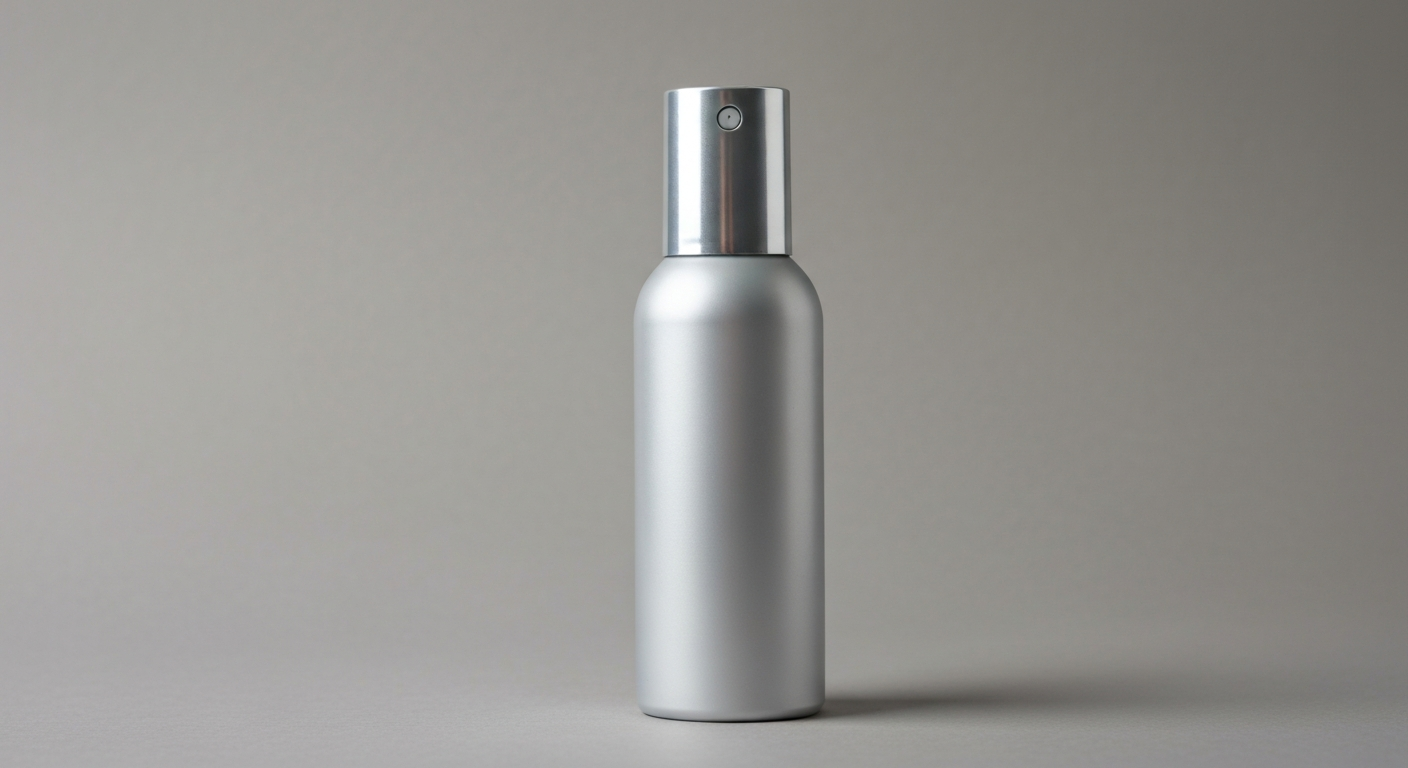
Pros
Molecule blends targeted at specific outcomes (attract, connect, edge). Spray format with a full bottle. Midrange price that sits between starter and premium tiers.
Cons
Marketing leans hard on 'scientifically proven' language with no linked studies. Proprietary blend with no concentration disclosed. Scent variants can read slightly synthetic.
TruePheromones verdict at a glance
TruePheromones wants you to think of pheromone cologne as a small product family. Not one flagship spray, but a set of named blends. Attract, Connect, Edge, and combination bottles like APC (Attract Plus Connect). Each one is pitched at a different social outcome. That structure is the most interesting thing about the brand. It's also the source of its biggest weakness. The molecules are real and they do real work. The spray format is well executed. The midrange price sits in a reasonable spot. What drags the rating down is the marketing's habit of saying things are "scientifically proven" while never pointing at a study.
I rate it 3.5/5. It's worth a look if you've moved past entry-level products and want to experiment with a brand that takes blend targeting seriously. It's not the right first purchase. And it's not the brand to buy if molecule transparency is what you care about most. For where this product sits in the wider category, see my best pheromone perfumes for men guide and the broader question of do pheromone perfumes work .
Scent profile
I wore APC for the bulk of my testing. It's the most popular SKU in the lineup. The opening is clean and slightly soapy. There's a citrus-bergamot lift that fades inside the first ten minutes. Underneath sits a warm amber accord with a soft musk floor. That reads modern and inoffensive in a work or date setting. On first spray there's a faint synthetic edge, the kind most pheromone-loaded carriers share. It softens as the alcohol burns off.
The other variants shift the same base in different directions. Edge skews darker. It has more oud-adjacent woodiness and a sharper musk. Connect is the softer one. It's a cleaner vanillic warmth with almost no projection at the open. Attract on its own sits closest to APC's middle ground. None of these are perfumery-led compositions in the way a niche house would build a scent. They're functional carriers with a fragrance layer on top. That's the honest description of nearly every product in this category.
Longevity on skin sat around four to six hours in my wear tests. Sillage tapered to a close-range skin scent after the first hour. That's normal for an alcohol-based pheromone spray. It matches what I measured on the other midrange products in this category.
What's in it
TruePheromones uses different molecule combinations across its lineup. The brand is reasonably open about which families go into which bottle. Attract is built around androstenone and androstenol. Those are the two most-studied androstene compounds on the dominance-and-approachability axis. Connect uses an oxytocin-adjacent positioning with a lighter androstenol-forward profile. It aims at warmth rather than projection. Edge pushes androstenone higher. That's the molecule most associated with dominance signaling in the research literature.
The women's variants add copulins . That's the short-chain fatty acid family associated with ovulatory-cycle signaling in the primate literature. It's the same molecule family Pherazone's women's product uses. From a research standpoint, it's one of the better-described ingredients in the category.
Here's where I get frustrated. TruePheromones tells you which molecule families are in each bottle. It does not tell you the concentration of any of them. The copy repeatedly invokes "scientifically proven" formulations and "laboratory-tested" blends. But the brand never links to a specific assay, a third-party verification, or a peer-reviewed study for any dose claim. That's not unique to TruePheromones. The whole commercial category sits in this disclosure-opaque pattern. The contrast between confident language and absent specifics is just more pronounced here than at some competitors.
My editorial preference on this site is simple. I prefer brands that name their molecules and publish quantities, even imperfect ones. That beats brands that wave toward science without specifics. TruePheromones is in the second camp. The molecules it lists are real and have real research behind them. The dose is a number I don't have.
Does the variant split actually do anything?
This is the question the brand's structure invites. It's also the one most reviewers skip. Say you buy Attract, Connect, and Edge as separate bottles. Are you actually feeling different effects on different nights? Or is the same base signal doing the heavy lifting under three different scents?
Honest answer from my wear-testing: the scent differences are clearly real. They're easy to identify in a blind A/B. The pheromone-effect differences between variants are harder to isolate. Some of that is confidence stacking on chemistry. Spray on Edge expecting to carry the room, and the way you hold yourself changes too. That's not the molecule failing. Confidence and chemosignal work together, not against each other. The rest is the receptor-response curve. It's sub-linear and individually variable enough that small shifts in molecule ratio may not produce reliably detectable differences in outcome. Saxton et al. 2008 found a measurable effect of androstadienone on women's ratings of men at speed-dating events. The Hare et al. 2017 replication found no significant effect. That split is what a thin, under-funded literature looks like, not a disproof. The signal is real. The formal science is still catching up to it.
My take: treat the variants as scent and mood-setting tools first. Treat them as molecule-targeting experiments second. The framing TruePheromones uses is more confident than any single study can back yet. But the products work, they're pleasant to wear, and the rotation idea is a nicer experience than reaching for the same single bottle every day.
Who should buy this
TruePheromones fits a specific buyer:
- You've already tried a cheaper starter product. Now you want to test whether targeting a specific outcome (projection versus approachability versus warmth) actually feels different on you.
- You like the idea of a small rotation instead of one bottle. APC at the front, Edge for evenings, Connect for daytime. That setup exists in this lineup and not really at the competition.
- You're comfortable taking the brand on trust for the dose. You care more about the variant structure than the assay.
Skip it if any of these apply. This is your first pheromone purchase. Start at a lower price point and find out how the category lands on you before committing to a multi-bottle brand. Or molecule disclosure matters to you, and you'd rather buy from a brand that publishes percentages. Or you're sensitive to marketing that reaches past its evidence. TruePheromones will annoy you on the product page before you even open the bottle.
TruePheromones price and value
A single 20ml bottle runs $50 to $65. The exact price depends on the variant and where you buy. That works out to roughly $2.50 to $3.25 per ml. It sits squarely between the $2-per-ml starter products and the $5-plus-per-ml premium tier. As a midrange position, it's fair. The spray format, the bottle size, and the variant choice all justify the modest premium over a basic roll-on.
The stronger value play is the bundle pricing. Buying two or three variants together brings the per-ml cost down meaningfully. The brand runs these bundle discounts often enough that paying full sticker for one bottle feels like a miss. If the variant-rotation idea is what appeals to you, the bundle is the obvious entry point. We may earn a commission if you buy through our affiliate links. That's disclosed both site-wide and here.
Alternatives
Three products are worth weighing against TruePheromones before you buy:
- Pure Instinct is the right starter if you've never bought a pheromone cologne. It's roughly a third of the price per bottle and has a defensible scent. It's a fair test of how the category lands on you before you commit to a multi-variant lineup.
- RawChemistry is an unscented pheromone oil meant to layer under your own fragrance. It's the better choice if you already have a signature scent you won't give up, and if the multi-variant idea isn't what's drawing you to TruePheromones.
- Pherazone is the upgrade-path product. It's roughly twice the per-ml price and publishes a higher headline concentration (10mg/oz). It's the right pick if dose is the variable you care about, not blend targeting.
Is TruePheromones worth it? Final verdict
TruePheromones earns its 3.5/5 honestly. The variant structure is a real differentiator. No other mainstream brand splits its lineup this cleanly into outcome-targeted blends. That's an interesting framework for anyone who wants to experiment beyond the one-bottle starter. The scent quality across the lineup is solid for the price tier. The molecule families on the label are real, well-described in the research, and do real work on how a room reads you. None of that is in question.
What holds the rating back is the disclosure gap. "Scientifically proven" does a lot of work in marketing and very little on a buyer who reads the page. I'd rather see a per-bottle assay, a named third-party lab, or a citation buyers could Google. None of that is present. The gap between confident copy and absent specifics is the part I keep flagging. Buy it for the variant-rotation idea if that genuinely appeals to you. Skip it if you want a brand whose paperwork is as clean as its molecules.
Keep reading

Pheromone Perfume Return Policies Compared (What You Get if It Doesn't Work)
Pheromone perfume effects vary wildly between people. So the return policy is what protects your $90. Here's what each major brand actually offers, plus the gotchas to watch.

Pheromone Perfume Red Flags (10 Things That Tell You to Skip a Brand)
The pheromone-perfume market runs on vague claims and good photography. Here are ten patterns that reliably mark a brand as not worth your $40, and what to look for instead.

Pheromone Perfume Ingredients Explained (Plain English, No BS)
What is actually inside a pheromone perfume bottle, layer by layer. The molecules, the fragrance base doing most of the work, and the carrier. No jargon, no marketing fog.